Fifty years of partnership. Eight months' notice. In December 2025, the Swedish government announced the end of its bilateral development cooperation with Mozambique – a decision that has shocked both partners and population alike at a time of fragile political and humanitarian conditions, writes Diamantino Nhampossa, Country Office Manager for We Effect Mozambique.
In December 2025, we were taken by surprise by a communiqué from the Government of Sweden announcing that bilateral cooperation with Mozambique would be phased out by August 2026. The decision was striking not only because of its timing, but because it brings to an end a partnership spanning more than fifty years – one that began even before Mozambique gained independence in 1975.
During the liberation struggle, Sweden stood firmly alongside Mozambicans fighting to free themselves from an exploitative colonial regime. In the fragile years that followed independence, Swedish support was present across nearly every sector critical to state and nation-building. Governance, education, social and economic development all benefited from this cooperation, which helped lay the foundations of the Mozambican state and nation at a decisive historical moment.
From solidarity through liberation to partnership
I was nine years old in 1980, living in a rural area of Inhambane Province in southern Mozambique, when the first national population census was conducted. Even at that age, the presence of Swedish solidarity was palpable. The census symbolised more than the counting of people; it reflected a belief that Mozambique deserved to understand itself, plan its future and build sovereignty based on reliable data and long-term social, political and economic strategies.
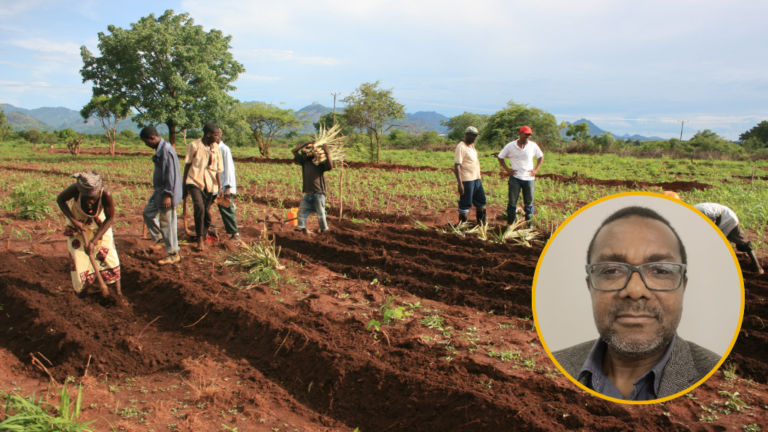
Years later, in 2007, as Executive Coordinator of the National Small Holder Farmers’ Union (UNAC), I encountered Swedish support again – this time through Sida’s support to civil society organisations. Although UNAC worked with several donors, the support provided through the Swedish Cooperative Centre, now called We Effect, stood out for its depth and vision. It went far beyond financial assistance, offering long-term expertise in organisational development, agriculture, financial inclusion, women’s empowerment and policy advocacy. This approach helped build durable institutional capacity.
Today, despite Mozambique’s severe political, social and economic challenges, UNAC remains one of the strongest smallholder farmers’ organisations in Southern Africa, representing more than 150,000 farmers nationwide. This achievement is inseparable from Sweden’s long-term and consistent support.
For many Mozambicans of my generation, Swedish cooperation was never an abstract concept confined to policy papers. It was tangible, visible in everyday life, and deeply embedded in the country’s efforts to build a fairer, more organised society.
Over many years, Swedish support – channelled through the Embassy of Sweden in Maputo – played a decisive role in lifting hundreds of thousands of people out of extreme poverty. Crucially, this cooperation followed a clear ethical and strategic logic, deliberately prioritising the most vulnerable regions and population groups.
Long-term support changed a neglected province
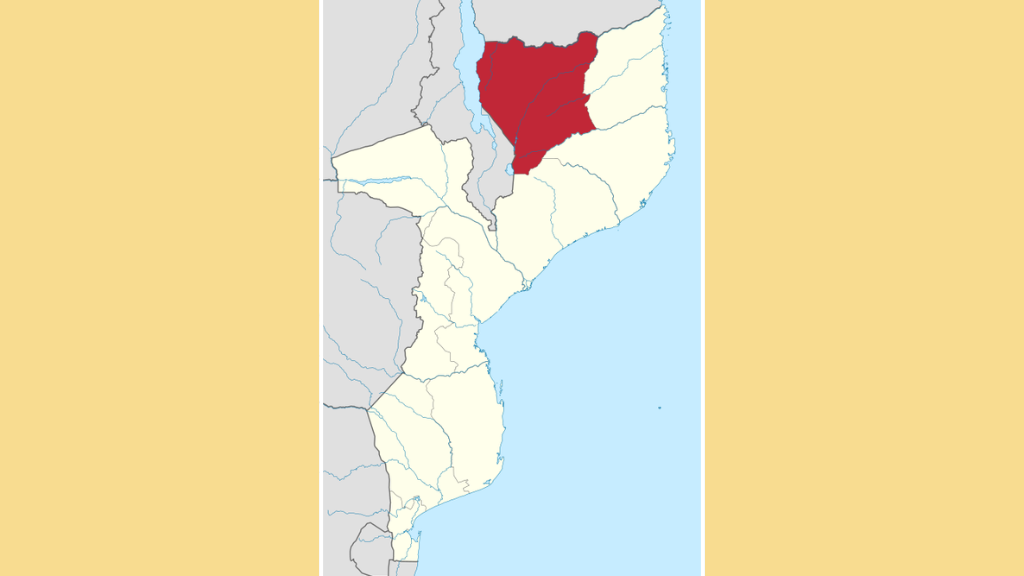
Over the past two decades, this commitment focused particularly on Niassa Province, one of Mozambique’s most remote and historically marginalised regions. Support reached public institutions, the private sector, and civil society alike, and was characterised by predictability, flexibility, and a strong emphasis on institutional and organisational capacity-building. As a result, Niassa began to emerge from long-standing neglect, restoring dignity, civic engagement, and hope among its people.
As a civil society activist, I witnessed firsthand how organisations in Niassa became among the most dynamic in the country, actively contributing to the design, implementation, and monitoring of public programmes at the provincial level. This progress was not accidental; it was the outcome of sustained investment in local capacity, trust, and ownership.
From 2010 to 2021, through the Actions for Inclusive and Accountable Governance (AGIR) programme, We Effect, Diakonia, and Oxfam strengthened civil society participation in democratic processes nationwide, supporting more than 150 organisations and influencing over 800. More recently, the “Food, climate change, nature, coordination and women empowerment programme” (ALCANCE), implemented in Niassa, Cabo Delgado and Nampula, directly improved the lives of over 55,000 people, 32,000 of them women, by strengthening food systems, sustainable livelihoods, climate resilience, housing and organisational capacity.
Autonomy requires a responsible transition
The announcement of the closure of bilateral cooperation comes at a particularly painful moment, just as preparations were underway to launch the second phase of ALCANCE, designed to consolidate and sustain these gains. For many of us, this decision represents not merely the end of a partnership, but the abrupt interruption of a transformation that remains urgently needed.
The consequences extend far beyond the suspension of funding. Women who had begun economic empowerment initiatives now face the risk of losing income, autonomy and dignity. Communities exposed to climate shocks are left without vital disaster preparedness support. At the same time, young women and men who were being integrated into agricultural, environmental and housing value chains – often as a credible alternative to joining insurgent groups – are left without pathways forward, creating a dangerous vacuum in already fragile regions in which very few, if any, other development actors reach.
The end of cooperation also undermines dialogue between communities and the public sector, particularly in remote northern districts where state presence is weak and international cooperation has often been an important promotor of participation and social inclusion.
More broadly, Swedish support has consistently contributed to building a democratic rule of law grounded in social justice. At a time when the principles of the United Nations Charter and international human rights frameworks are increasingly under strain, the decision to withdraw from Mozambique sends a troubling signal. Even more concerning, it risks creating a political and institutional vacuum that may be filled by actors whose approaches are not grounded in human rights, democracy or equity – threatening to undo more than five decades of principled investment.
After more than fifty years of cooperation, it is reasonable to expect Mozambique to move towards greater autonomy. Yet such a transition must be carefully managed. In a spirit of mature and responsible partnership, Sweden and Mozambique should reflect together on a structured, consultative and gradual exit strategy – one that safeguards hard-won human, institutional and social gains rather than placing them at risk.
How this partnership ends will matter just as much as how it began.