
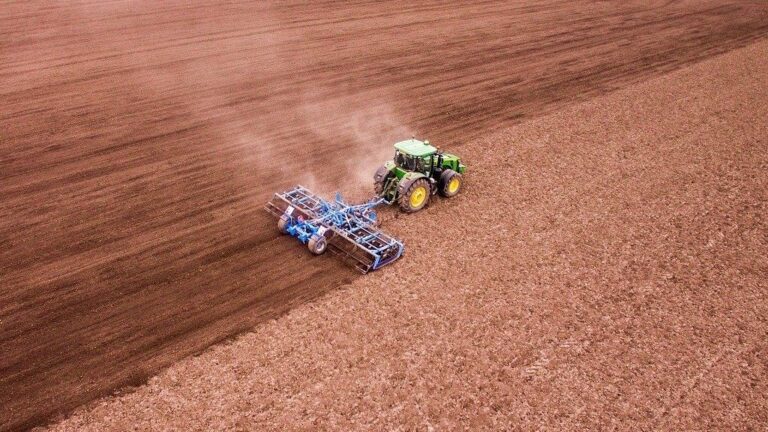
Land grabs facilitated by multinational corporations, foreign investors and local governments in a pursuit for agribusiness have been escalating during the last decade. Huge acquisitions of farmland have led to violent displacements of rural populations. Although reports of the practice are not as recurrent in the media, the problem is far from over.
Between 2006 and 2016, 491 land grabs motivated by agriculture took place, amounting to 30 million hectares of land in 78 countries. The majority of where these land grabs happen are poor countries located in the global South. Although land grabbing received a lot more media attention in the early 2010s, the phenomenon has not disappeared.
According to an investigation by GRAIN, a recent example can be found in Kiryandongo, Uganda, where three foreign multinational companies, with support from the Ugandan government, have facilitated violent land grabs leading to the displacement of thousands of families.
Before their lands were taken, the locals farmed a variety of vegetables and fruit and kept animals. Now, the agribusiness companies have replaced the diverse farmlands with maize, coffee, sugarcane and soya, all of which is being exported elsewhere. One of the companies is also producing cereal for the United Nations World Food Programme whilst the local communities now suffer from hunger and malnutrition.
Many of the locals have had no other option than to start working for the very companies responsible for their displacement. Receiving inhumanely low wages and having to endure poor conditions the workers are also suffering physically from the heavy use of agrochemicals. Those who speak out about the vast injustices are being silenced through violent actions taken by company security forces and Ugandan officials.
Events like the ones taking place in Kiryandongo have not been rare during the past few decades. Multinational corporations, foreign investors and local governments are continuously putting profits before the livelihoods and rights of rural populations.
Resistance and mobilisation towards land grabs is increasingly growing on a global scale with social movements working together to question the power of corporations and governments. The most famous movement is perhaps La Via Campesina, bringing together rural communities, agricultural farmers and indigenous populations to fight for the rights of smallholder farmers in an era of neoliberal globalisation. Thanks to years of activism work by the movement, the UN General Assembly adopted the ‘United Nations Declaration on the Rights of Peasants and Other People Working in Rural Areas’ in 2018, giving hope for the future of rural livelihoods.
Whilst land grabbing is not a new phenomenon, it became globally known after 2008 when the global food crisis led to a rush for farmland. Governments and multinational corporations were looking to produce food and biofuels due to both a fear of food insecurity and an increased desire for profits.
Land grabs are defined as the acquisitions of land by investors from smallholder farmers or rural communities. Often smallholder farmers and rural populations that communally utilise land do not have legal ownership over the lands their families might have been farming on for generations. This land is then falsely viewed by investors as empty excess lands that can be sold to them by local governments seeking profits. Those living or farming on these lands receive little to no compensation for their forced evacuations.


