
The United Nations envisions both increased economic growth and effective climate action by the end of this decade. The combination of these is not consistent in the current state of the world. To effectively combat the threat of climate change, we need a shift in the status quo and a different economic structure.
The Sustainable Development Goals target outcomes for both people and the planet. These include for example Goal 8, promoting economic growth and productivityand Goal 13: Climate Action. But within these two specific goals, there is a problem: creating economic growth and at the same time combating climate change.
Arguments in favor of sustainable, or "green" growth, rely heavily on technical innovation and increased efficiency to reach zero carbon emissions. However, the sustainability and effectiveness of this approach within the current world structure is questionable. The urgency of the climate crisis also prevents it from being a reliable solution.
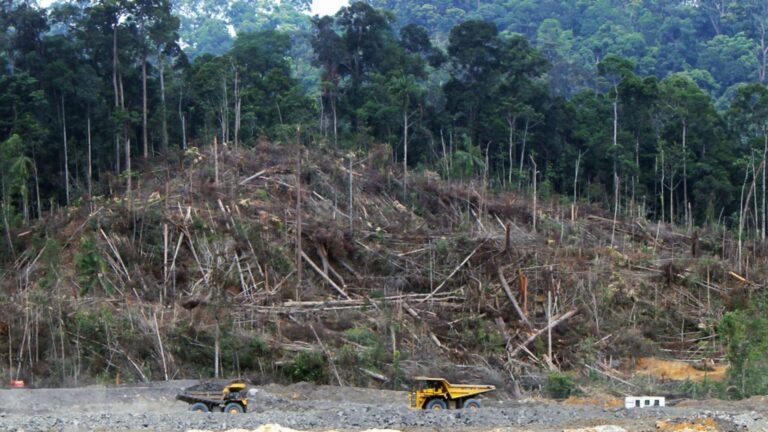
Historically, economic growth and increased carbon emissions have gone hand in hand. The concept of economic growth is also entirely based on capital accumulation and the availability of endless natural resources that do not exist. Its logic does not respect our planet's boundaries or its ecosystems. Even if we would use every innovation possible to boost productivity, resources must still be extracted, going further beyond a limit that has already been breached. The extractivist economic model is a main cause of climate change and will therefore not be the solution.
Countries that have enjoyed economic prosperity while limiting their carbon footprints have been able to do so through overseas resource extraction and outsourcing of carbon offsets. The unjust systemic structures in the world do not allow for the opposite to happen. Non-Western countries that have recently started to enjoy relative economic growth are often criticized for acting against climate targets. Compatibility between growth and climate action is in this sense built on unequal structures, which must be considered when discussing the possibility for different countries to achieve both economic and environmental goals.
The conflict between economic growth and combating climate change calls for a system change. The most sustainable act of all would be to look for long-term alternatives to the current economic model and the concept of constant growth. Rethinking structures and values, as well as finding bridges between the well-being of people and the planet is necessary to steer us in the right direction.


