

Hundreds of thousands of Nepali migrant workers are directly affected by the ongoing coronavirus pandemic. To learn more about their precarious situation, FUF Magazine spoke with Dr. Jeevan Baniya, a labor and migration expert from Kathmandu.
As the coronavirus pandemic continues to affect job holders around the globe, the 164 million people employed as migrant workers outside their home countries are particularly at risk. As noted in a recent ILO letter, “Migrant workers are often the first to be laid-off but last to gain access to testing or treatment”. This is also the fate of many of the three million Nepali migrant workers currently living in Gulf Cooperation countries and Malaysia, among others.
With the spread of the coronavirus in those destination countries, many Nepalis, particularly those working in construction, transport and hospitality, have suddenly lost their jobs - and this trend is expected to continue. The ILO estimates that the pandemic will result in the loss of up to 50 million jobs in regions where Nepalese migrant workers typically reside. In places like Qatar and Saudi Arabia, both currently under lockdown, workers are already struggling with the consequences, Baniya explains.
- Many Nepali migrant workers have been laid off from their jobs. Others, such as domestic workers, have been forced to work despite the insecure circumstances. Some are suffering food scarcity. And some workers reported that the hygiene and living situation is quite risky.
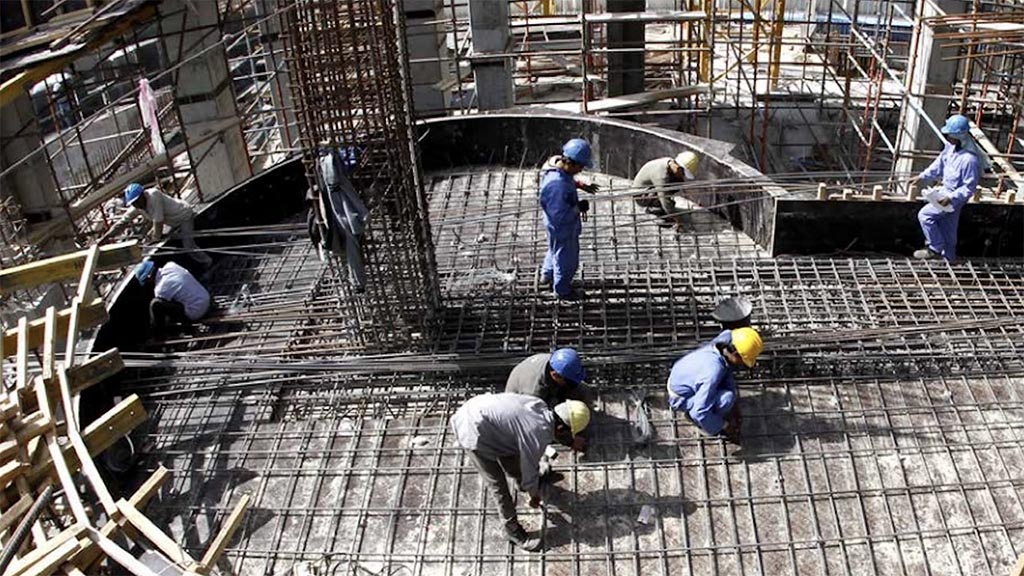
Baniya points out that many Nepalis are not able to get the help they urgently need in this situation.
- Workers have been deprived of information about available support. This is partly due to a language barrier, which is a major challenge for them. In March, 40 Nepalese migrant workers were deported from Qatar after they were caught shopping despite the curfew. If they would have had adequate information about the lockdown, they obviously would not have broken the rules.
As the situation abroad is worsening, many Nepalis have been wanting to leave. It is estimated that at least half a million Nepali workers are ready to return home. But the Nepali authorities have made no effort to bring them back, leaving them in limbo for months.
- The government is quite reluctant to opt for their repatriation. This seems to be mainly because there is no substantial plan for what to do with them upon their return to Nepal. But the pressure is building and demands for a plan for the rehabilitation of these workers and their reintegration into the domestic labor market have been voiced. The government needs to identify those who are most vulnerable and ensure their right to return, says Baniya.
After all, Baniya concludes, in turbulent times like these, it is easy to neglect the right to justice for migrant workers.
- Migrant workers in this situation are more likely to face a violation of human rights than merely labor rights. 153 countries came together to agree on the Global Compact for Migration in 2018 to protect and promote the rights of migrant workers. This is the time of testing, I would say. If governments cannot help to protect the human rights of migrant workers in a situation like this, then I think we should question the usefulness of these instruments that we have agreed on.


